Nitidæ’s recent assessments of the biochar sector, relayed by top industry players
Commissioned by Enabel in Côte d'Ivoire as part of its VABICUI project " Valorisation of biomass energy and clean cooking in Côte d'Ivoire", funded by the European Union, the aim of this study was to provide an overview of the sector, both internationally and nationally, in order to provide the keys to understanding this emerging market and to guide the decisions of entrepreneurs in the biomass energy sector.
‘Biomass energy’: The difference between green charcoal and biochar
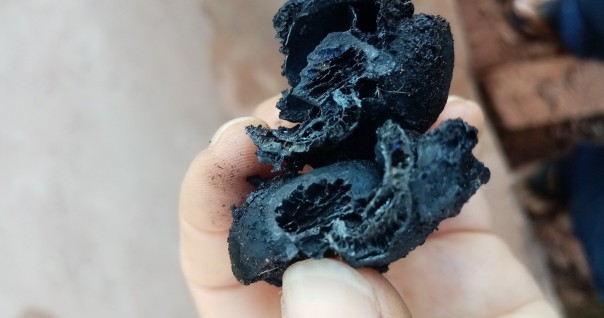
Biochar is ‘simply’ carbonised residual biomass, and this conversion has been recommended for decades as a substitute for charcoal, an essential fuel for households in developing countries and often criticised for contributing to local deforestation. Charcoal produced for fuel purposes is therefore referred to as ‘green charcoal’. It helps to reduce net greenhouse gas emissions because it replaces the use of non-renewable fuels.
On the other hand, when charcoal is buried as a soil amendment or incorporated into another matrix, it becomes a carbon storage tool, removing carbon from the cycle and thus contributing more significantly to the reduction of global emissions. It is in this specific context, where charcoal is used as a material, that it should be called ‘biochar’. Although biochar is not intended to be burned, it is nonetheless a potential source of energy, as the carbonisation process, particularly on an industrial scale, allows pyrolysis gases to be recycled for the production of thermal and electrical energy.
From atmospheric carbon to stored carbon: the role of biochar
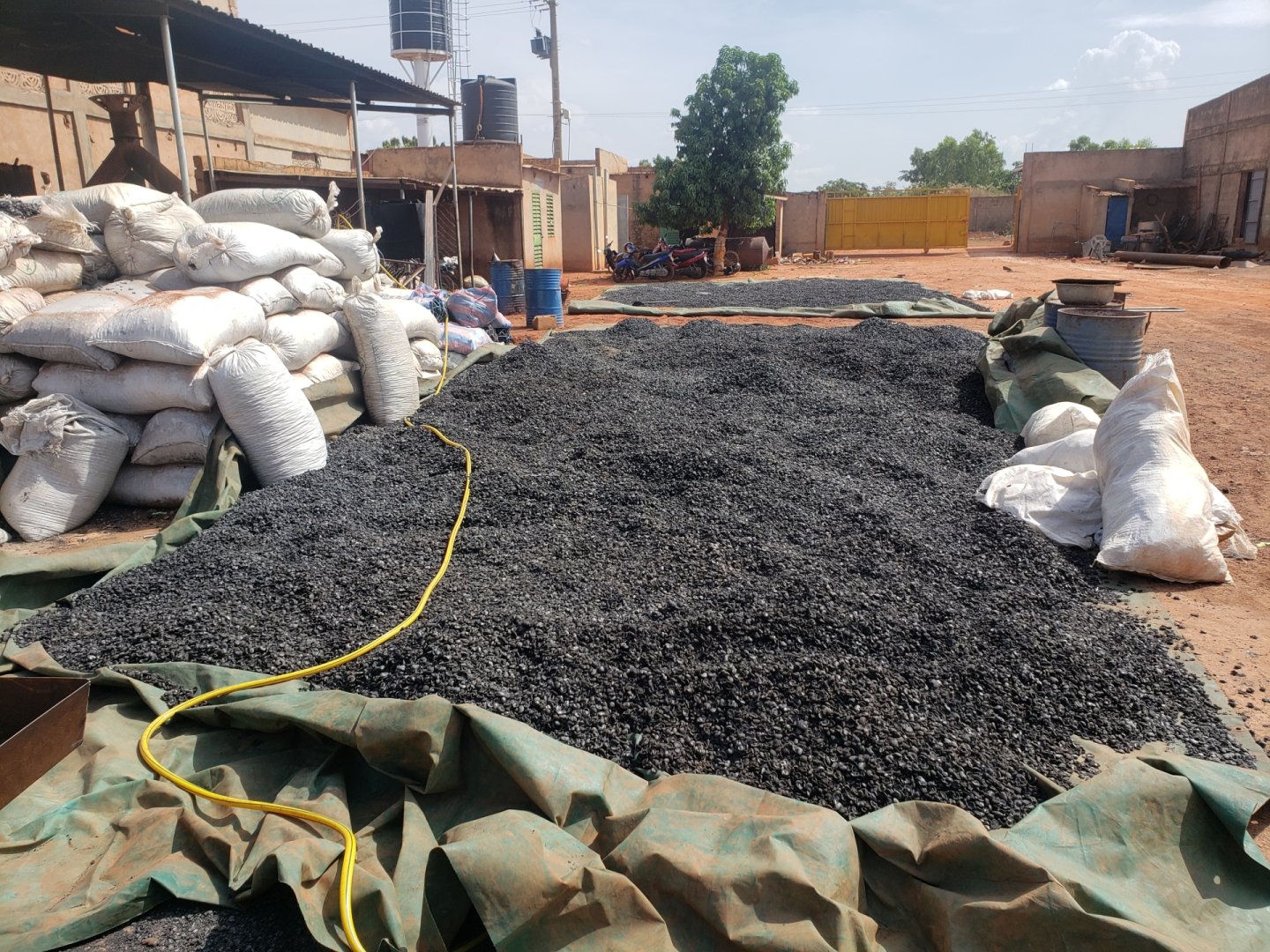
In Africa, green coal and biochar coexist, as shown in the Strategic Note on Biochar published by Enabel, which summarises the study in French while giving pride of place to successful local entrepreneurs who, even today, are still operating in the very real market for domestic fuels (green coal). These companies were the first to see the value of integrating biochar into their business model and are now key players in the dissemination of carbonisation techniques adapted to local contexts. They often act as a link between industrial biochar production projects and small-scale agricultural producers, as trainers, commercial intermediaries or simply disseminators of information.
The biochar industry under the microscope
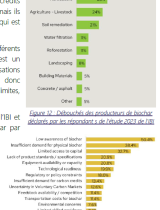
The various documents produced as part of the study review the state of the art in production technologies, business models associated with biochar production and the feasibility of biochar projects in Africa, thus filling a significant gap in accessible market intelligence. This work is the result of extensive consultation with stakeholders in the biochar field, including 26 globally and 65 in Côte d'Ivoire.
The full description and deliverables are available in our VABICHAR section. These include:
- Review of biochar production practices.
- Study of the international biochar market (supply and demand).
- Analysis of climate finance tools applied to biochar.
- Opportunities and challenges for the development of biochar in Côte d'Ivoire.
Recognising the usefulness of these documents for the entire sector, the International Biochar Institute echoes this work in its latest monthly newsletter:
"The study also highlights the importance of credible certification, consistent quality control and secure biomass supply chains to maintain investor confidence and avoid market volatility. The Nitidæ report concludes that the most successful biochar companies will incorporate diversified revenue streams, measurable co-benefits and transparent carbon accounting. By providing open, field-based analysis, this work offers valuable guidance to practitioners, investors and policymakers seeking to understand where biochar stands today."
Related projects